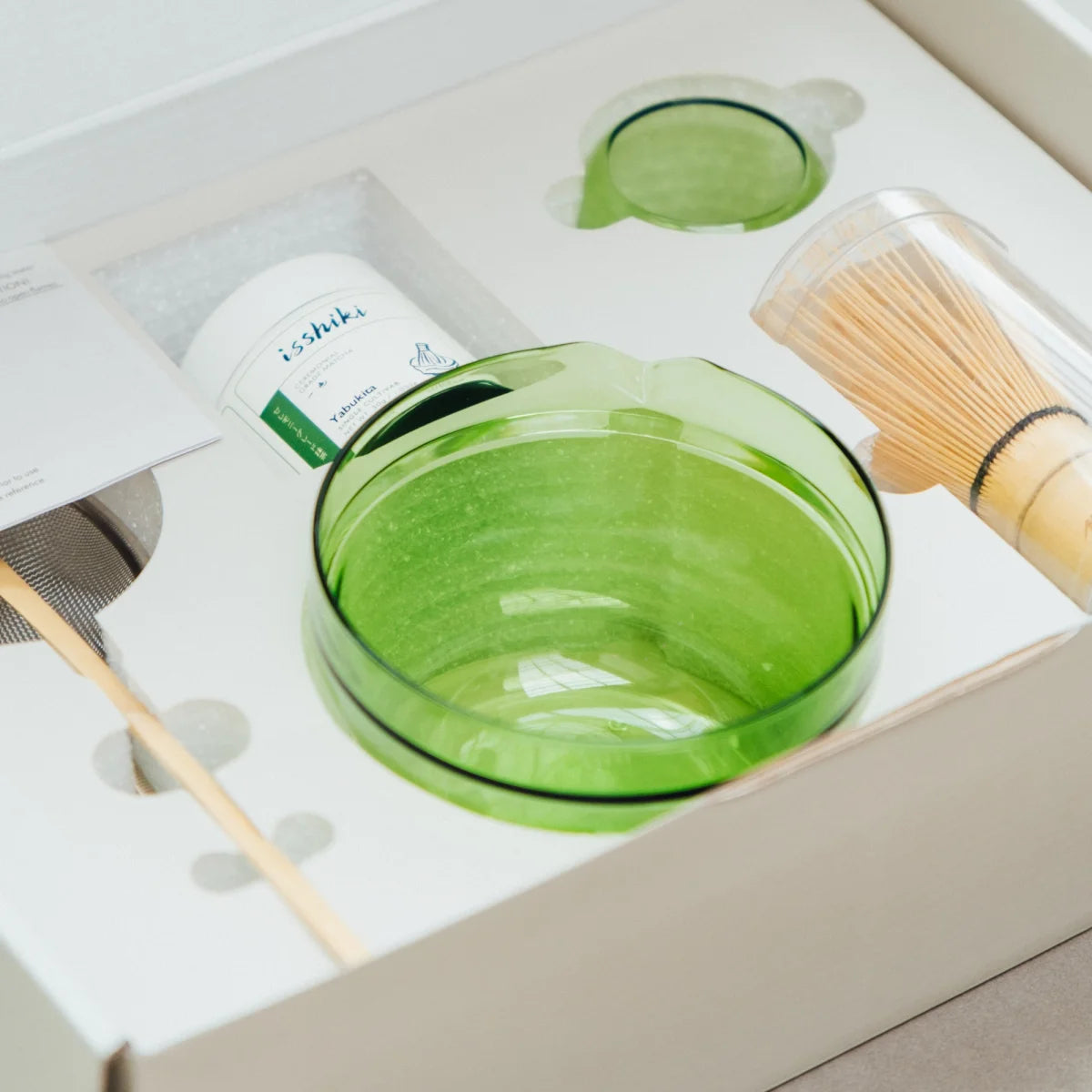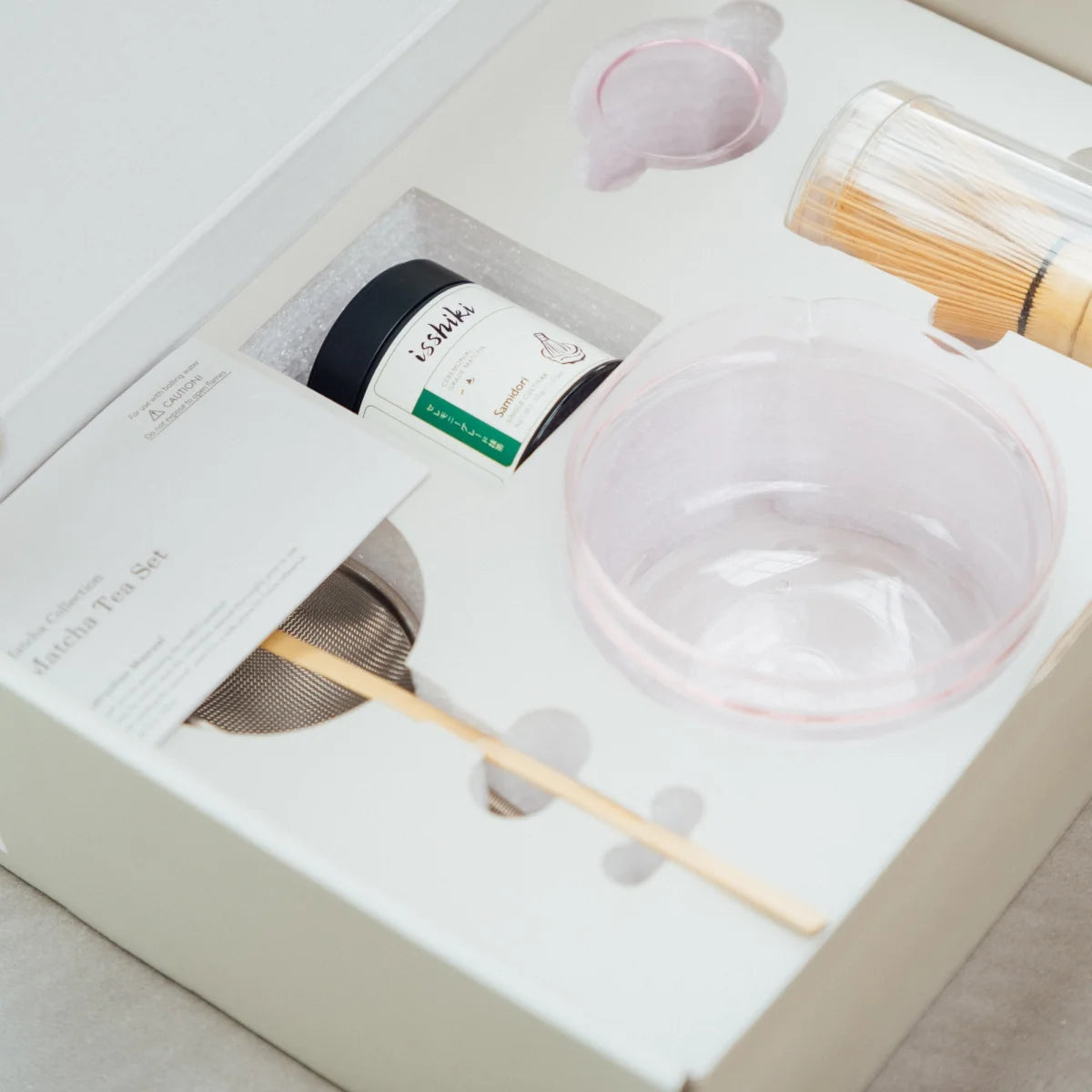
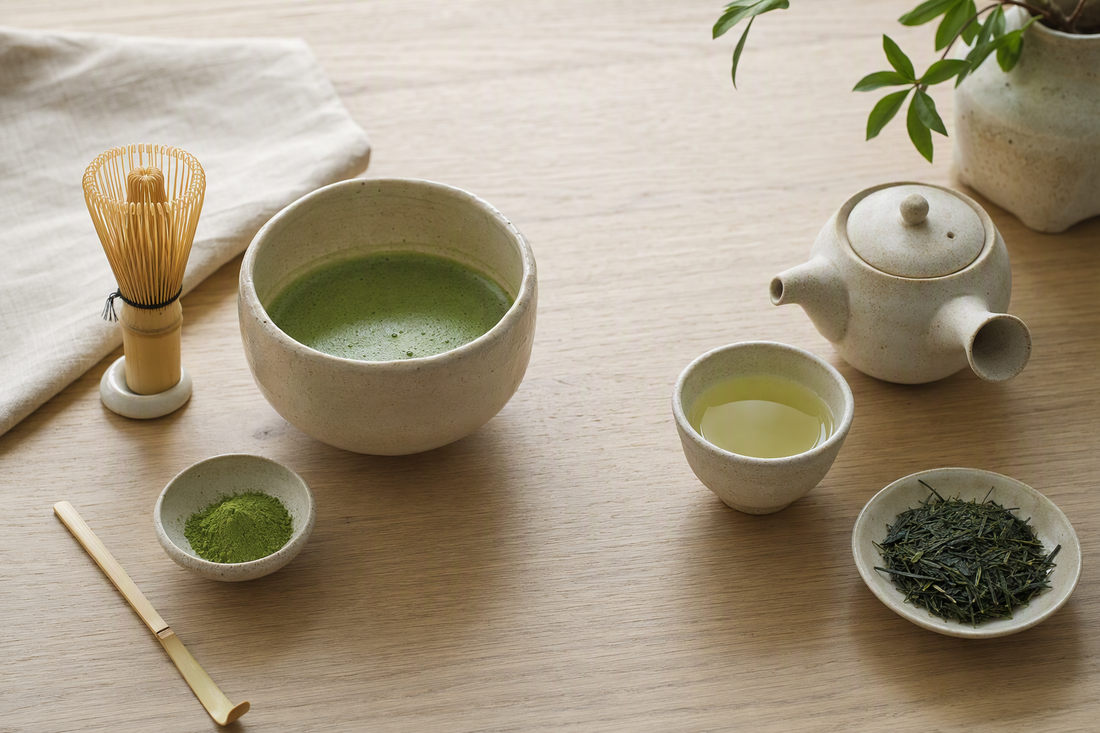
Choose matcha if you want to whisk powdered tea into water. Choose loose-leaf sencha if you want to steep leaves and separate them from the drink. The practical answer to matcha vs sencha begins with that difference: powder incorporated into your bowl, or leaves used for an infusion. Isshiki’s explanation of powdered-leaf preparation describes the matcha method; Japan’s Ministry of Agriculture, Forestry and Fisheries provides leaf-tea brewing guidance for the steeping approach.
Matcha vs Sencha: Which to Whisk, Which to Steep?
Angel Zheng & Isshiki Tea Team-
Yabukita Single Cultivar Matcha
Regular price $38.00Regular priceUnit price per -
Samidori Single Cultivar Matcha
Regular price $42.00Regular priceUnit price per -
Hojicha Roasted Green Tea Powder
Regular price $22.00Regular priceUnit price per -
Matcha Lemonade Sparkler 12-Pack (The Lucky Ox)
Regular price $51.00Regular priceUnit price per -
Ichigo Matcha
Regular price $45.00Regular priceUnit price per


Neither method needs to be ranked above the other. Start with the preparation you want to repeat, then choose the tea intended for it.
Matcha vs sencha: the processing difference
Matcha is not simply a name for any green tea powder. According to the Ministry’s Uji Tea overview, matcha is produced by grinding tencha into powder. That production detail gives you a useful term to look for when reading a seller’s explanation of its matcha.
Sencha follows a different processing path. Its leaves are rolled into needle-like shapes before final drying, as described in d:matcha’s sencha processing guide. For the loose-leaf sencha discussed here, you are choosing leaves for infusion rather than powder for whisking.
When shopping, read beyond the broad phrase “green tea.” Look for the tea name, its format, and the preparation directions together. If a listing leaves the format unclear, ask the seller whether it is matcha powder or loose-leaf sencha before ordering.
What changes at the kitchen counter?
For matcha, think incorporation. You measure powder and water, then whisk them together. The powdered leaf remains part of the drink rather than being removed after an infusion. This is the central preparation distinction in Isshiki’s powdered-leaf explanation.
Plan for a vessel with room to whisk and a whisk suited to the task. Follow the preparation directions for the matcha you buy rather than borrowing a loose-leaf steeping schedule. The useful question is how to combine the powder and water, not when to strain out leaves.
For sencha, think infusion. Put the loose leaves in a brewing vessel, add water, allow them to steep, then separate the liquid from the leaves. Water temperature and infusion time should be adjusted to the tea type, as outlined in the Ministry’s Japanese leaf-tea brewing guide.
Choose a setup that lets you separate leaves from the finished cup, and keep the seller’s brewing directions nearby. Rather than assigning every green tea one temperature or steeping time, use the guidance for your particular sencha as your starting point.
Which tea should you buy?
Let the preparation method narrow your choice before you compare individual products:
- Choose matcha if you specifically want to prepare a whisked bowl and are looking for powdered tea.
- Choose loose-leaf sencha if you prefer an infusion workflow with leaves that you remove from the drink.
- If you already have brewing tools, consider whether you want tea for that setup or are happy to add equipment for a different method.
- If you are unsure, picture the complete routine: measuring, preparing, serving, and cleaning up. Which sequence would you rather make part of your day?
This is a choice between formats and preparation methods, not a reason to declare one tea healthier. You can make a useful first purchase without turning the comparison into a nutritional ranking.
A short checklist before ordering
Check three things on the listing: the exact tea name, the physical format, and the brewing instructions. For matcha, look for a clear description of the powder and directions for preparing it with water. For sencha, confirm that you are buying loose leaves and look for temperature and infusion-time guidance.
If your goal is a whisked bowl, begin with matcha. If your goal is a steeped cup, begin with sencha. Let that simple distinction guide the purchase, then give the tea you choose the preparation its seller recommends.