
From Japan with Love: How Matcha Hit American Soil
Let’s get one thing straight — matcha didn’t just slide into American culture; it showed up, turned heads, and straight-up took over. But before matcha was being whisked in Brooklyn cafés or poured over ice in sunny L.A., it was being respectfully sipped in Kyoto temples. That deep, rich green powder? It’s got history. Like, real history — samurai-level stuff. But somehow, it made its way from thousand-year-old tea ceremonies to modern-day oat milk lattes. Kinda wild, right?
When ceremonial grade matcha first made its appearance in the States, folks were confused. “Wait, you’re telling me I’m supposed to drink this green powder...on purpose?” Fast forward a few years and now everyone's either got a bamboo whisk at home or is hunting for the best ceremonial grade matcha like it’s Pokémon Go.
From foodie blogs to TikTok rituals, matcha culture has exploded — and not just the cheap stuff. We're talkin' matcha ceremonial grade, the creme de la creme of green tea. It ain't just about the caffeine; it's about the vibe, the ritual, and yeah... the flex.
And don’t get it twisted — this isn’t your grandma’s green tea. This is bold, earthy, velvety-smooth ceremonial grade matcha powder straight from the heart of Japan. Now it’s found its way into California’s coffee shops, influencers’ kitchens, and wellness retreats all over the map.
West Coast Vibes Meet Eastern Tradition
So how did ceremonial matcha become the main character in the American wellness scene? It’s all about timing, vibes, and a whole lotta West Coast energy. California — especially spots like L.A., San Diego, and the Bay Area — was already deep into the organic, plant-based, adaptogenic superfood wave. Enter ceremonial grade matcha, stage left.
This wasn’t just another trendy drink. It hit different. Something about sipping a deep green matcha under a palm tree or post-yoga class just made sense. It was like Kyoto’s peaceful tea rituals caught a flight and landed in Venice Beach — and people were here for it.
And while Kyoto’s tea masters probably didn’t imagine their sacred brew ending up in mason jars with stainless steel straws, the tradition still holds strong in America — just with a modern twist. We’re talking matcha meditations, sunrise ceremonies, and hella TikTok content.
You can now find ceremonial grade matcha near me searches blowing up. That’s because people aren’t just looking for tea. They’re looking for ritual, calm, and yes — that gorgeous green aesthetic for their IG stories. In fact, matcha’s become more than a beverage. It’s a lifestyle.

The Matcha Aesthetic: More Than Just a Drink
Let’s be real — matcha is sexy. That vibrant green color? Unmatched. The creamy froth? Chef’s kiss. And that deep earthy vibe? It gives off peaceful monk energy — even if you’re just vibing on your laptop at a café.
People don’t just want to drink matcha. They want to post it, talk about it, wear it on a sweatshirt. The matcha ceremonial grade obsession is both visual and visceral. And it fits right into the whole wellness-meets-minimalism aesthetic that Gen Z and Millennials can’t get enough of.
We’ve even seen it influence café design. Suddenly it’s all bamboo, soft lighting, and calligraphy menus. All for that moment where you sip your organic ceremonial grade matcha and pretend you’re in Kyoto — instead of standing in line on Melrose.
The matcha powder ceremonial grade lifestyle is all about slowing down. It's an antidote to hustle culture. No more slamming back double espressos while checking emails. Now it’s all about slow sips, intention, and taking a freakin’ breath.
What Is Ceremonial Grade Matcha, Really?
Alright, let’s break it down — what actually is ceremonial grade matcha? Because let’s face it, a lot of people are tossing the term around like it’s confetti, and not everyone knows what it really means.
So here’s the tea (literally): ceremonial grade matcha is the highest quality of matcha you can get. We're talking young, shade-grown tea leaves from the first harvest of the season — hand-picked, stone-ground, and packed with chlorophyll and flavor. This isn’t your dusty green powder you snag from a supermarket shelf. Nope. This is smooth, sweet, umami-heavy green gold.
The color? Bright AF green — not that sad yellowish stuff. The taste? Smooth, no bitterness, and totally drinkable without any sweetener. You don’t cook with this. You sip it, slow and proud. When you see matcha powder ceremonial grade, you’re looking at the same quality used in Japanese tea ceremonies. Hence the name.
What does ceremonial grade matcha mean? It means tradition, precision, and top-tier quality. It means you're not just drinking tea — you’re sipping centuries of culture and craftsmanship in one frothy, earthy shot of green.
But here's the kicker: not all "ceremonial" labels are legit. In the U.S., the term isn't regulated. So, if you're hunting for the best ceremonial grade matcha, you've gotta do your homework. Look for vibrant color, fine texture, and a smooth, fresh flavor. If it tastes like grass clippings and looks dull? Hard pass.
And if you’ve ever typed “ceremonial grade matcha nearby” into Google hoping for the real deal — you’re not alone. There’s a whole tribe of matcha lovers out there chasing the perfect whisk.
Why Everyone’s Obsessed with Ceremonial Grade Matcha
Here’s the truth: matcha isn’t just having a moment — it’s leading a full-on movement. And at the heart of that obsession is ceremonial grade matcha. It's not about caffeine. It's about connection. To culture, to calm, to self.
Let’s talk benefits. This stuff is packed with antioxidants — particularly EGCG, the one that’s known for fighting inflammation and boosting metabolism. You feel focused but not jittery. Calm, but not sleepy. That’s the magic. It’s like having your brain wrapped in a warm, green blanket of clarity.
People are ditching coffee left and right because they’re over the crash, the shakes, the 3 p.m. headaches. Matcha? It’s smoother. The caffeine hits different, thanks to L-theanine — a natural amino acid that promotes relaxation without drowsiness. No crash, just cruise.
And let’s not forget the vibe. That little bamboo whisk ritual? Low-key meditative. People are creating morning matcha routines that rival full-on skincare regimens. There are entire communities obsessed with the ritual — sharing frothing tips, tea bowl aesthetics, and their take on the best water temp (it’s 175°F, btw).
What started as a niche trend is now a full-blown culture. Matcha ceremonial grade is the heart of it. It’s not just something you drink — it’s a lifestyle choice. And the tribe is growing.
Ceremonial Grade Matcha vs. Culinary Grade: Know the Difference
Let’s clear the air because too many people are getting played out here. Not all matcha is created equal, fam. If you've ever tried matcha for the first time and thought, “Yo, this tastes like swamp water,” chances are you grabbed culinary grade, not ceremonial grade matcha.
So what’s the difference?
Ceremonial grade matcha is premium stuff. It’s made from the youngest tea leaves, carefully de-stemmed and de-veined, stone-ground into a silky powder. The flavor? Smooth, rich, a little sweet — almost buttery with deep umami vibes. It's made for drinking as is — no milk, no sugar, no extras needed.
Now let’s talk culinary grade. This one’s a little rough around the edges. It uses older leaves, more bitter, less vibrant, and it’s meant to be mixed into things. Great for baking matcha muffins or blending in smoothies, but if you try to drink it straight? Yikes.
Here’s a cheat sheet:
|
Feature |
Ceremonial Grade Matcha |
Culinary Grade Matcha |
|
Leaf Quality |
Young, first harvest |
Mature, later harvest |
|
Flavor |
Smooth, sweet, umami-rich |
Bitter, earthy |
|
Texture |
Fine, silky |
Coarser |
|
Color |
Vibrant, electric green |
Duller green or yellow-green |
|
Use |
Drinking straight (traditional tea) |
Cooking, baking, blending |
|
Price |
Higher |
More affordable |
So when you’re hunting for matcha powder ceremonial grade, you’re signing up for a next-level tea experience. The kind that doesn’t need any filters (literal or metaphorical).
Next time you're in a store or scrolling online and see “matcha ceremonial grade” slapped on the label, check the color and texture. If it’s not bright green and smooth like baby powder, someone’s trying to play you.
And if you're wondering if it's worth paying extra? Hell yes. The flavor, the benefits, the ritual — ceremonial grade matcha powder is a game-changer.
Matcha Powder Ceremonial Grade: The Secret Sauce to a Zen Morning
Listen up — if your morning routine starts with panic-scrolling your inbox and mainlining espresso shots, it might be time for a vibe check. Enter: matcha powder ceremonial grade — the real MVP of peaceful mornings.
There’s something almost magical about the process. You heat your water (not boiling — chill with that), scoop your jade-green matcha, and whisk it in slow, controlled motions. It’s meditative. You’re not just making a drink — you’re setting the tone for your day. This ain’t fast food caffeine. This is a moment of calm in a chaotic world.
With matcha ceremonial grade, the focus is on mindfulness. That L-theanine content gives you laser focus, minus the anxiety spike. It’s the kind of focus where you can answer emails, meditate, or write that long-overdue journal entry without spiraling. Trust.
And here’s the tea: drinking ceremonial grade matcha powder isn’t just about what you’re putting in your body. It’s about the intention behind it. You're not slamming back a stimulant — you're honoring a ritual, even if it's just five minutes before the work grind starts.
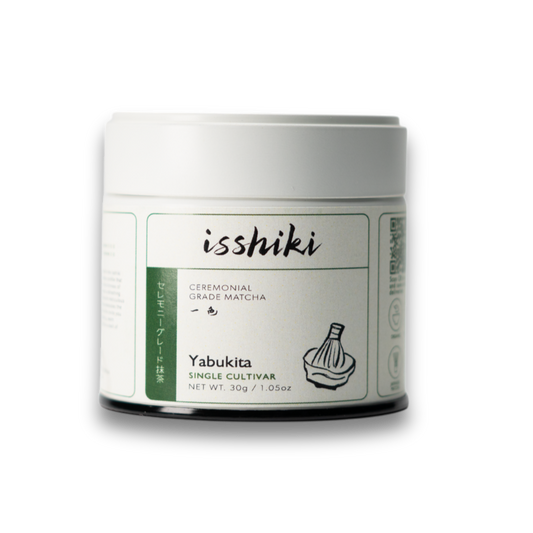
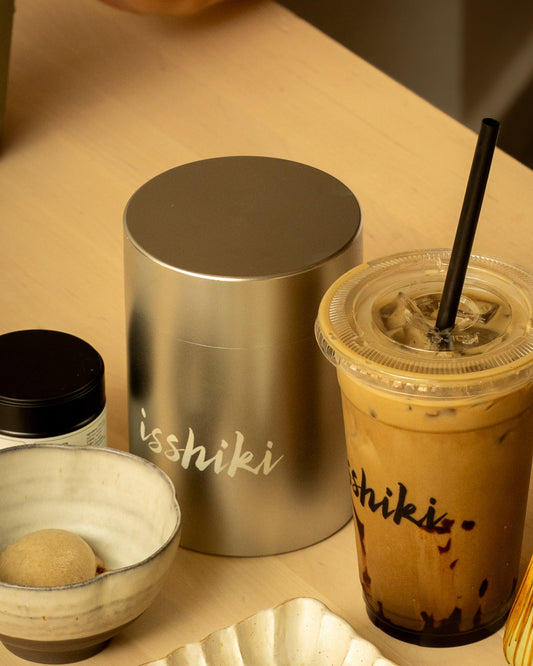
More and more people are creating “matcha corners” at home — complete with matcha bowls, whisks, and those aesthetically pleasing canisters. Why? Because this isn’t just tea. It's self-care in powder form.
Wanna upgrade your mornings from chaotic to calm? Matcha powder ceremonial grade is your new go-to. And once you’ve made it a habit? Coffee who?

The Hunt for the Best Ceremonial Grade Matcha in America
Let’s be real — finding the best ceremonial grade matcha in the U.S. can feel like trying to find a real-deal taco in the Midwest. It’s tricky, hit-or-miss, and you’ve gotta know where to look.
Sure, a lot of spots claim to sell the good stuff. But just because it’s labeled “matcha ceremonial grade” doesn’t mean it’s legit. Some of these companies are out here slapping a fancy name on bitter, low-quality powder and charging premium prices. Nah, we’re not falling for that anymore.
So, how do you spot the real ones? Look for these signs:
-
Color check: It should be BRIGHT green — not olive, not yellowish, but that rich, vibrant matcha green.
-
Smell test: It should smell fresh and slightly sweet, not grassy or musty.
-
Texture vibes: Fine, soft powder — no gritty or chunky textures.
-
Taste test: Slightly sweet, umami-rich, smooth. If it makes your face pucker, it's trash.
-
Origin story: Look for matcha sourced straight outta Japan. Preferably Uji, Nishio, or Kyoto areas.
Also, let's talk organic ceremonial grade matcha — a lot of Americans are vibing hard with the organic versions because they align with the clean, plant-based, eco-friendly lifestyle. No chemicals, no BS. Just pure, shade-grown leaves, stone-ground with love.
If you’ve typed “ceremonial grade matcha near me” more than once this week, you’re probably deep in the matcha game already. But here’s a pro tip: your local Japanese markets, wellness shops, and even indie tea cafés often carry some hidden gems. Skip the mass-produced supermarket stuff and go local or direct-from-import.
And don’t sleep on online reviews either. Not the fake-sounding ones, but real customers sharing their experiences with different ceremonial grade matcha powder types. Community wisdom is key here.
Bottom line — the best matcha? It's vibrant, smooth, and makes you feel like you're sipping sunshine. Once you find your go-to source, guard it like your WiFi password.
How to Spot Organic Ceremonial Grade Matcha Like a Pro
Okay, matcha snobs — this one’s for you. If you’re down with clean eating, whole foods, and skincare made from vegetables, you probably also want organic ceremonial grade matcha. And you should. But let’s be real — the word “organic” gets thrown around like confetti at a Coachella after-party. So how do you know if your matcha is the real green deal?
Here’s how to spot legit organic ceremonial grade matcha:
-
Certifications: Look for official seals. In the U.S., it should be USDA Organic. In Japan, JAS Organic. If the label’s missing those, it’s sus.
-
No pesticides: Organic matcha is grown without synthetic fertilizers or chemicals, which means cleaner taste and no weird after-effects.
-
Harvest method: True organic ceremonial matcha is harvested with care — often from tea farms that have been pesticide-free for years. Think of it like farm-to-cup.
Flavor-wise, organic matcha has this fresh, grassy-sweet aroma and an even smoother taste. And visually? It’s that bright, almost neon green that hits the eyes and the soul. That color comes from chlorophyll-packed leaves, grown in shade for weeks before harvest. Shaded = stress = more nutrients = more L-theanine. Science, baby.
The bonus? You’re not just doing good for your body. You’re also supporting sustainable farming and old-school cultivation methods passed down through generations.
So next time you're choosing between a $10 can of mystery powder and a quality matcha powder ceremonial grade that costs a bit more but checks all the boxes? You already know the move.
“Ceremonial Grade Matcha Near Me” – Why It’s Everywhere
If you’ve ever typed “ceremonial grade matcha near me” into Google while standing in front of your local café menu, welcome to the club. And yeah, you’re not alone. This search is booming across the States — especially in places like L.A., San Francisco, Austin, Seattle, and New York. Why? Because matcha isn’t a niche trend anymore. It’s officially mainstream.
Cafés that used to offer only espresso are now boasting full-on matcha menus with iced matcha lattes, matcha shots, and even matcha spritzers. The quality has leveled up too. It’s not just matcha — it’s matcha ceremonial grade, whipped into creamy perfection with plant milks and custom sweeteners.
But the obsession goes beyond cafés. Wellness stores, boutique grocery spots, and farmers markets now carry ceremonial grade matcha powder like it's essential. And spoiler alert: for a lot of folks, it is.
Even fitness studios and yoga spaces are hopping on the trend, offering post-class matcha powder ceremonial grade shots instead of the usual smoothies. Because let’s be honest — what pairs better with your vinyasa flow than a velvety matcha with adaptogens and oat milk foam?
And if you're lucky enough to live in a city with a solid Japanese community or Asian market scene, chances are you’ll find imported matcha options that blow your mind. That’s where the best ceremonial grade matcha often hides — away from the shiny packaging and hype.
So yeah, when you’re looking for “ceremonial grade matcha nearby,” you’re not chasing a unicorn anymore. It’s everywhere — from Whole Foods to mom-and-pop tea shops to your next-door bodega with surprisingly elite tea game.
The cool part? It’s not just a drink. It’s become a cultural connector. One search opens the door to a whole community of matcha lovers, tea educators, and ceremony nerds who know their matcha ceremonial grade like sommeliers know wine.
What Does Ceremonial Grade Matcha Mean? A Deep Dive
Okay, time to get nerdy for a sec. You’ve heard the phrase a hundred times, but what does ceremonial grade matcha mean, actually?
In the world of matcha, “ceremonial grade” isn’t just a cute marketing term — it’s a standard rooted in ancient Japanese tea tradition. Back in the day (we’re talkin’ samurai-era Japan), matcha was consumed during formal tea ceremonies known as chanoyu. And the matcha used had to be perfect — visually stunning, mellow in taste, and spiritually aligned. That’s ceremonial grade.
Here’s what it means when you see that label:
-
First harvest only: It’s made from the first flush of leaves harvested in early spring, which are the softest, youngest, and richest in nutrients.
-
Shaded growth: These tea bushes are shaded for about 3 weeks before harvest, boosting chlorophyll and amino acids like L-theanine — giving matcha that smooth, umami-rich flavor.
- Stone-ground: No shortcuts. The leaves are slowly ground with granite stones into fine powder. That’s how you get that ultra-smooth, velvety texture.
-
No stems or veins: Only the tender leaf is used. That means no bitterness, just a mellow sweetness and rich aroma.
So when you're sipping matcha powder ceremonial grade, you’re basically drinking something that’s been perfected over centuries. It's not just “green tea.” It’s history, ritual, and craftsmanship in every frothy cup.
But remember — there's no FDA regulating the term “ceremonial grade” in the U.S., so anyone can slap that label on a bag of lawn clippings. That’s why it’s on you to look for quality. Bright color, smooth flavor, and real-deal sourcing? That’s the matcha sweet spot.
Is It Worth It? Ceremonial Grade Matcha Benefits You Didn’t Know
Let’s get one thing straight — ceremonial grade matcha isn’t cheap. But here's the tea: once you understand what you’re getting, it’s actually a steal. This stuff is basically a supercharged green miracle, packed with so many benefits it almost feels illegal (but it’s not, don’t worry).
So what exactly are the ceremonial grade matcha benefits everyone’s raving about?
Clean, Stable Energy
Forget the coffee jitters and that brutal crash. Matcha gives you smooth energy that lasts for hours. That’s the magic of caffeine + L-theanine. It's like turning your brain into a Tesla — quiet, powerful, and efficient AF. You stay calm, focused, and in control.
Mental Clarity & Focus
L-theanine isn’t just for chill vibes. It helps boost alpha brain waves, putting you in that sweet spot between chill and alert. It’s the kind of focus that gets stuff done without burning you out. Writers, creatives, students — this is your liquid muse.
Packed with Antioxidants
One serving of matcha powder ceremonial grade has more antioxidants than a truckload of blueberries. Especially EGCG, a polyphenol that’s known for anti-aging, cancer-fighting, and metabolism-boosting powers. It’s basically skincare from the inside out.
Detox Like a Boss
Because matcha is shade-grown, it contains high levels of chlorophyll — a natural detoxifier. It helps your body flush heavy metals, chemicals, and other gross stuff that builds up. Drink a cup a day and feel like a human Brita filter.
Gut & Immune Support
Some people don’t realize this, but matcha supports healthy digestion and boosts the immune system. So yeah, that little green cup might be doing more for you than your multivitamin.
Mood Booster
It’s not just in your head. Matcha literally boosts serotonin and dopamine production. That’s why sipping a warm, earthy matcha feels like therapy in a cup.
So when you’re thinking, “Is it really worth dropping $30+ on a tiny tin of organic ceremonial grade matcha?” Hell yeah it is. You’re investing in your vibe, your energy, your health, and your peace of mind.
Not all heroes wear capes — some are bright green and come in resealable pouches.
How Millennials & Gen Z Made Matcha Cool Again
You can thank the avocado toast generation for turning ceremonial grade matcha into the new lifestyle flex. Millennials and Gen Z didn’t just adopt matcha — they made it a whole aesthetic.
Here’s how they pulled it off:
It Fits the Wellness Narrative
This is a generation obsessed with self-care, mindfulness, and clean energy. Matcha checks all the boxes — it’s organic, plant-based, caffeine-with-benefits, and ancient AF. The idea of starting your day with a slow-whisked matcha ceremonial grade instead of a stressy double shot? Total vibe.
Social Media Made It Sexy
Let’s be honest, matcha looks good on the ‘gram. The color pops. The froth is creamy. The whole ritual is calming to watch. Influencers turned the whisking process into ASMR content. From TikTok to Pinterest boards, matcha took over — and it’s still riding that green wave.
Work-Life Blend = Matcha Breaks
Forget “coffee breaks.” In the remote work era, young professionals are replacing Zoom burnout with “matcha moments.” It’s become a daily ritual. Not just for caffeine, but for that mental reset. Pour, whisk, breathe. It’s giving soft productivity.
Mindful Culture Rising
Yoga, journaling, meditation — Gen Z and Millennials are building entire lifestyles around calm, focused living. Matcha powder ceremonial grade fits perfectly into that lane. It's not just about getting stuff done. It’s about how you feel while doing it.
Eco-Conscious = Matcha Conscious
This crowd doesn’t just want good tea — they want ethical tea. Shade-grown, organic, fair-trade matcha sourced responsibly is part of the buying decision. That’s why organic ceremonial grade matcha is taking the spotlight.
Bottom line? These generations made matcha cool again — and in the process, created a whole movement that’s not just about a drink, but a mindset.
Matcha Culture at Cafés, Yoga Studios, and Farmers Markets
Let’s talk boots-on-the-ground. The ceremonial matcha movement isn’t just an online aesthetic or something you see on your Pinterest board — it’s showing up everywhere in real life. From your local yoga class to Sunday farmer’s markets and those minimalist-chic cafés, matcha ceremonial grade has fully infiltrated American culture.
Cafés: The Matcha Revolution
Remember when “Can I get a matcha?” at a coffee shop would get you a blank stare or — worse — some dusty green powder mixed with water that tasted like pond water? Yeah, we’ve come a long way. Now, the best cafés across Cali and beyond are flexing full-on matcha menus: iced matcha with oat milk, dirty matcha (yup, that’s matcha + espresso), rose matcha, lavender matcha, even CBD matcha. The game has changed.
And it’s not just about variety — it’s about quality. Baristas are learning how to properly whisk matcha powder ceremonial grade with the care it deserves. You’re seeing signs like “we use ceremonial grade only” right on the menu. That’s clout. People want to know they’re sipping the best — not some bitter, low-grade wannabe.
Yoga Studios: From Namaste to Matcha Latte
After savasana, what hits better than a cup of smooth, vibrant organic ceremonial grade matcha? A growing number of yoga studios are adding matcha bars inside or partnering with local tea vendors. Because matcha pairs perfectly with the yoga lifestyle: it’s calm, clean, and focused — just like your practice.
Some studios even offer mini matcha ceremonies before meditation or breathwork sessions. It’s all about intention, baby. Ceremonial matcha just fits that vibe of grounding, clarity, and being present AF.
Farmers Markets: The Green Gold Rush
Farmers markets used to be all kale and kombucha. Now? They’ve gone full matcha. Stalls offering hand-whisked ceremonial grade matcha powder drinks, matcha-infused snacks, and even matcha skincare are popping up coast to coast.
People show up with their mason jars, reusable straws, and a mission: find the best damn matcha ceremonial grade in town. You can taste, compare, ask questions, and get schooled by local tea nerds who really know their stuff. It’s matcha education and community rolled into one.
Conclusion: Why Ceremonial Grade Matcha Isn’t Just a Trend
So, is ceremonial grade matcha just another wellness fad that’ll fade once pumpkin spice season rolls around?
Not even close.
This vibrant green powder made its way from ancient Kyoto tea ceremonies to Venice Beach cafes and Silicon Valley morning routines — and it’s not slowing down. Why? Because it’s real. It's not about hype. It’s about the energy, the ritual, the clean vibe, the culture. The matcha ceremonial grade experience hits on all fronts: health, mindfulness, tradition, and — let’s be honest — serious flavor.
We’re not saying matcha is gonna fix all your problems, but sipping a hot, earthy cup of matcha powder ceremonial grade while journaling or watching the sunrise? Kinda makes life feel like it’s got a little more magic.
So whether you’re a matcha newbie wondering “what is ceremonial grade matcha?” or a full-blown aficionado chasing “ceremonial grade matcha near me” on the daily, one thing’s clear — this isn’t just a trend. It’s a cultural shift. And it’s here to stay.