
Why Finding Authentic Ceremonial Matcha in the U.S. Is So Hard
Let’s be real: ceremonial matcha is having a major moment in America—but with the hype comes the hustle. What was once a sacred tea used by Zen monks and samurai is now all over TikTok, gym cafés, and Target shelves. Sounds great, right? Not so fast.
Here’s the problem: most of what’s labeled “ceremonial matcha” in the U.S. market… isn’t.
We’re talking low-quality green tea powder posing as the real thing, sold at high prices with flashy labels. It looks cute, but tastes like swamp water.
Whether you're buying ceremonial matcha for energy, focus, or wellness vibes, you deserve the real deal straight from Japan—not some cheap imitation.
This guide will help you spot the fakes, pick the best brands, and avoid wasting your money.
What Is Real Japanese Ceremonial Matcha, Anyway?
Real ceremonial matcha is not just “green tea powder.” It’s a carefully crafted, tradition-rich product made from the youngest, most tender leaves of the Camellia sinensis plant. And yes—it has to be grown in Japan to qualify.
Here's what sets real Japanese ceremonial matcha apart:
-
Shade-grown for 3–4 weeks to increase chlorophyll and amino acids
-
Hand-picked to select only the top leaves
-
Steamed and stone-ground (never oven-dried or machine-blended)
-
Bright, vibrant green with a naturally sweet umami taste
You’re not just paying for flavor—you're paying for centuries of craftsmanship and nutrient density that cheap brands can’t replicate.

The Matcha Grading System: Ceremonial vs. Culinary
If it says “ceremonial matcha,” it must be the good stuff… right?
Wrong.
There’s no global regulation for matcha grading, which means brands can slap “ceremonial” on anything—even bitter, low-grade powder meant for baking.
Real ceremonial matcha should:
-
Be fine enough to whisk into a smooth foam
- Taste mellow, earthy, and slightly sweet
-
Be suitable for traditional tea preparation (not lattes or cookies)
If your “ceremonial matcha” is bitter, chalky, or neon yellowish-green—it’s probably just culinary matcha in disguise.
Red Flags: How to Spot Fake Ceremonial Matcha
Here’s what to watch for when shopping in the wild (or scrolling online):
“Matcha blend” on the label
Powder looks dull, olive, or brownish
Listed as “from China” or with no origin
Sold in clear plastic bags or unsealed pouches
Under $15 for a 30g tin (real ceremonial matcha costs more)
Flavored or sweetened (e.g., vanilla matcha, blueberry matcha)
Bitter, fishy, or grassy taste
If your matcha checks any of these boxes, it’s not ceremonial—no matter what the branding says.
The Importance of Origin: Only Japan Does It Right
Let’s get this straight: authentic ceremonial matcha comes from Japan. Period.
Why? Because Japan:
-
Has centuries of matcha cultivation history
-
Uses strict growing practices
-
Harvests only in early spring for peak freshness
Top regions known for real ceremonial matcha:
-
Uji (Kyoto) – oldest, most respected
-
Nishio (Aichi) – creamy, smooth profiles
-
Shizuoka – known for variety and balance
If your matcha doesn’t say “product of Japan” or name a Japanese region, you should be very skeptical.
Color Test: What the Green Should Look Like
Color tells you a lot about matcha quality.
Vibrant, electric green = fresh, high-quality, shade-grown
Dull, olive, or brownish green = old, low-quality, sun-grown
Real Japanese ceremonial matcha glows in the light. It should look alive, not dusty. If it doesn’t make you say “whoa, that’s green,” it’s not the good stuff.
Smell & Taste Test: Umami Over Bitterness
Real ceremonial matcha has layers of flavor, not just bitterness.
Here’s what you should experience:
-
Aroma: Earthy, grassy, slightly sweet
-
Taste: Umami, creamy, slightly vegetal
-
Mouthfeel: Smooth, not gritty or chalky
If it tastes sour, fishy, or bitter AF—it’s fake, stale, or culinary grade. No amount of oat milk can save bad matcha.
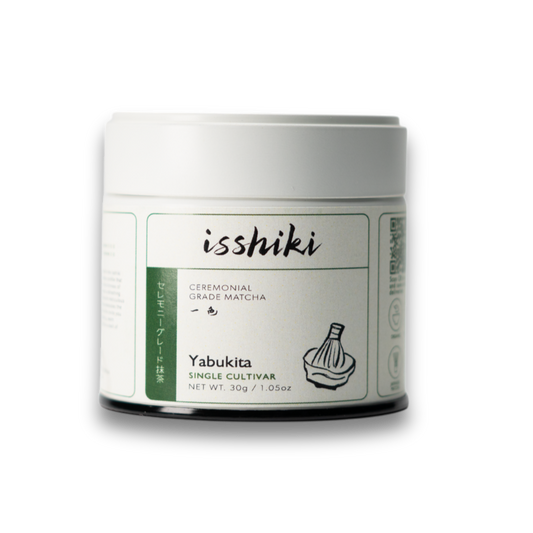
Label Reading 101: How to Decode a Matcha Tin
Reading a matcha label can feel like decoding a wine bottle—but it’s worth it if you want the real ceremonial matcha experience.
Look for these:
-
Origin clearly listed: “Product of Japan,” or even better—Uji, Nishio, or Shizuoka
-
Grade: Specifically says “Ceremonial Grade”
-
Ingredients: Should only say one thing—100% Japanese green tea (Camellia sinensis)
-
Harvest info: Some premium brands include harvest season (Spring = best)
-
Packaging date: You want fresh, not last year’s leftovers
If the label looks vague, is written in vague “wellness-speak,” or avoids specifics—be suspicious.
Packaging Matters: What Real Matcha Comes In
You know the saying: “Don’t judge a book by its cover?” Well… do judge your matcha by its packaging.
Authentic ceremonial matcha should come in:
-
Opaque, airtight tins (to protect from light and air)
-
Resealable bags inside UV-protected boxes (in premium kits)
Avoid:
-
Clear plastic bags or pouches
-
Ziplocks with “matcha blend” branding
-
Bulk tubs with no seal
Real Japanese matcha is fragile—it needs to be stored like it’s sacred. If the packaging looks cheap, the matcha inside probably is, too.
Trusted Japanese Ceremonial Matcha Brands Available in the U.S.
Cut through the noise with these tried-and-true ceremonial matcha brands that source directly from Japan:
Encha
-
Founded by a Stanford PhD
-
Direct sourcing from organic farms in Uji, Japan
-
Great for both beginners and purists
Ippodo Tea
-
Kyoto-based, 300+ years of matcha expertise
-
Sells true ceremonial matcha
-
Pricier, but unmatched quality
Kettl
-
NYC-based, Japan-sourced
-
Works directly with tea farmers in Fukuoka and Yame
-
Known for small-batch ceremonial blends
Matchaful
-
Sustainable and transparent sourcing from Nishio
-
Beautiful packaging + ceremonial tools
-
Popular in wellness cafés
Matcha.com
-
Co-founded by Dr. Andrew Weil
-
Science-backed, antioxidant-focused
-
Broad selection, including rare ceremonial lots
Pro Tip: Buy directly from the brand’s website. Skip sketchy third-party sellers.
Why Price Actually Tells You A Lot
We all love a deal. But when it comes to ceremonial matcha, cheap is fake. Period.
Real ceremonial matcha will cost:
-
$25–$40 for 30g (about 20–30 servings)
If it’s under $15 and claims to be ceremonial? It’s not. You’re getting culinary matcha in disguise—or worse, Chinese-grown green tea passed off as Japanese.
You get what you pay for. And when it comes to your energy, focus, and daily ritual—it’s worth investing in the real deal.
The Role of Third-Party Testing and Certifications
In a world full of wellness scams, third-party verification is your safety net.
Look for brands that offer:
-
Radiation testing (post-Fukushima concerns)
-
Heavy metal testing (especially lead and aluminum)
-
Organic certifications from JAS (Japanese Agricultural Standard)
-
Lab reports for EGCG and L-theanine levels
Brands like Encha, Matcha.com, and Pique offer lab-verified ceremonial matcha, and proudly show their test results.
If a brand avoids the topic or hides behind “proprietary blend” language?
Buy Direct or Get Scammed: Where to Shop
Here’s your matcha shopping strategy in 2025:
Best Places to Buy Real Ceremonial Matcha:
-
Brand websites (ippodo.com, encha.com, kettl.co)
-
Japanese specialty tea shops
-
Reputable wellness retailers like Thrive Market or Erewhon
-
Local Japanese grocers (if they carry premium tins)
Avoid:
-
Cheap matcha from Amazon sellers with vague info
-
Instagram pop-up brands selling “magic green energy”
-
“Matcha blends” from companies that don’t specialize in tea
Also—don’t trust influencers just because their video looks cool. Many are promoting affiliate links, not quality.
What Influencers Won’t Tell You
Real talk: A lot of TikTok creators and IG influencers are pushing “ceremonial matcha” they’ve never tested, don’t understand, and probably don’t even drink.
They’re chasing commissions, not quality.
So before you buy that cute tin they’re pouring into their oat milk, ask:
-
Where is it sourced from?
-
Is it really ceremonial grade?
-
Is there a harvest or lab report?
-
Does the brand specialize in matcha or just white-label it?
If the answers are vague? Skip it. Your wellness deserves better.
The Final Checklist: 10 Signs You’ve Found the Real Deal
Before you hit that “Buy Now” button, run through this quick checklist:
-
Says “Ceremonial Grade” clearly
-
Grown and produced in Japan
-
From a region like Uji, Nishio, or Shizuoka
-
Comes in a sealed, opaque tin or pouch
-
Priced between $25–$40 per 30g
-
Has a vibrant green color
-
Tastes smooth, sweet, and earthy
-
Offers lab-tested results (optional, but ideal)
-
Transparent labeling and ingredient list
-
Sold by a reputable, tea-focused brand
Nail those 10, and you’ve got real ceremonial matcha in your hands.
Conclusion
The American market is flooded with green powder—but only a small slice of it is true Japanese ceremonial matcha.
If you care about your health, energy, focus, and ritual, don’t settle for knockoffs or low-grade imposters. Learn what real ceremonial matcha is, spot the signs of authenticity, and invest in the real stuff that honors the tradition and fuels your best self.
Because when you find the real deal?
It doesn’t just taste better—it feels better.