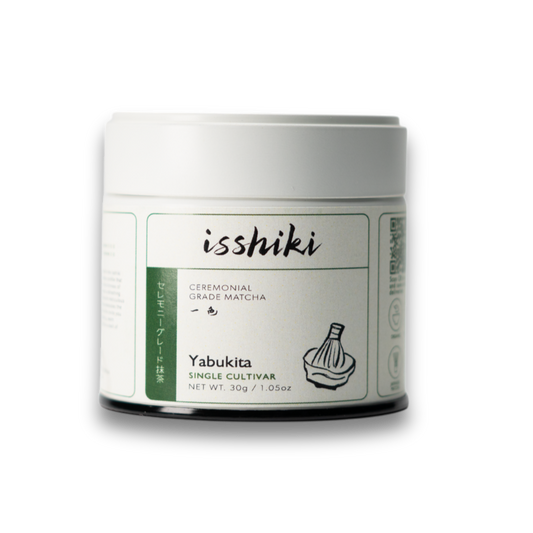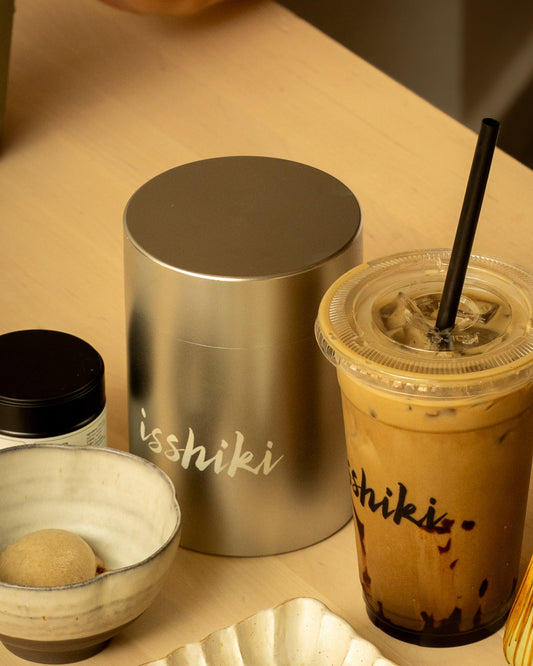

What’s the Buzz About Ceremonial Matcha?
Alright, let’s talk matcha. Not just any matcha—but ceremonial-grade matcha. You’ve probably seen it all over Instagram: that neon green powder getting whisked into frothy drinks like it's some kind of holy elixir. But here’s the thing—matcha isn’t just trendy; it's been around for centuries. Originating in Japan, ceremonial matcha was used in ancient tea ceremonies by monks and samurai. Now, it's riding a new wave in the U.S., being hyped as the ultimate clean energy drink.
Why the hype? Simple: clean energy, zero crash, tons of health benefits, and a taste that screams "fancy AF." Americans are swapping their Red Bulls and Starbucks triple shots for matcha—and for good reason. People want energy without the sugar high, brain fog, or caffeine crash, and matcha might just be the answer.
If you’re looking for a natural energy boost, something that won’t leave your heart pounding or your hands shaking, ceremonial matcha is sliding into that top spot fast. And it’s not just influencers saying it—dietitians and health experts are now seriously paying attention.
Matcha vs. Your Typical Energy Drink
Let’s keep it real—most energy drinks are basically sugar bombs in a can. They might promise “zero sugar” or “natural caffeine,” but a lot of them are still loaded with artificial flavors, synthetic vitamins, and a sketchy amount of caffeine. Not to mention the crash. Ever slammed a Monster at 2 p.m. and regretted everything by 4?
Now compare that to ceremonial matcha: 100% powdered green tea leaves, nothing else. No sucralose, no taurine, no weird preservatives. Just clean, green, energy-packed goodness.
Here’s a quick breakdown:
|
Factor |
Energy Drinks |
Ceremonial Matcha |
|
Caffeine |
80-300mg |
~70mg (per 1 tsp) |
|
Sugar |
20g–50g (or artificial) |
0g (unless you add it) |
|
Energy Duration |
Quick spike, fast crash |
Smooth & sustained |
|
Additives |
Tons |
None |
|
Nutrients |
Minimal |
Rich in antioxidants |
Basically, if you want energy without nuking your nervous system, matcha's your new bestie.
So, What Makes Matcha “Ceremonial” Anyway?
Not all matcha is created equal. You’ve got two main types: culinary and ceremonial. The difference? HUGE.
Ceremonial matcha is made from the youngest, most tender leaves of the tea plant. These babies are shade-grown, handpicked, and stone-ground into a super fine powder. The result? A smooth, rich, slightly sweet flavor with zero bitterness—and a vibrant, almost glowing green color.
On the flip side, culinary matcha is more bitter, a little dull in color, and way cheaper. Great for baking or smoothies, not ideal for sipping solo.
Here’s why ceremonial is the GOAT:
-
Higher chlorophyll and antioxidant content
-
Richer in L-theanine, which helps with focus and calm
-
No need for additives or sugar—it’s naturally delicious
So if you're looking to treat your body like a temple, don’t skimp—go ceremonial.

The Nutritional Breakdown of Ceremonial Matcha
Let’s geek out on the nutrients real quick. A single teaspoon of ceremonial matcha packs a surprisingly powerful punch. We’re talking:
-
Antioxidants: Especially EGCG (Epigallocatechin gallate), which is crazy good for fighting inflammation and boosting metabolism
-
L-theanine: An amino acid that promotes calm, focused energy
-
Vitamin C, selenium, chromium, zinc, magnesium
-
Fiber: You’re literally drinking the whole leaf, not just steeped tea
According to studies, matcha has up to 137 times more EGCG than regular green tea. That’s not a typo.
You also get:
-
Protein: Around 1g per tsp
-
Calcium & potassium: Great for bone and heart health
-
Zero sugar, unless you sweeten it
It’s basically like drinking a multivitamin that tastes like luxury and makes you feel like a monk.
Caffeine Content: Smooth Energy or Jitter City?
You know the drill. One minute you’re flying high on coffee or an energy drink, and the next you’re spiraling into a nap you didn’t plan. That’s the caffeine crash—and matcha doesn’t do that.
Ceremonial matcha has about 70mg of caffeine per teaspoon—less than a cup of coffee, but the experience is totally different. Why? L-theanine.
This amino acid:
-
Slows the release of caffeine
-
Promotes “alpha brain waves” (aka the same chill focus you get from meditating)
-
Keeps you calm, clear, and energized—for hours
So instead of the shaky, anxiety-inducing coffee buzz, you get a clean, focused, no-crash energy. Think: zen monk in a productivity sprint.
Real Talk: What Dietitians Are Saying
You don’t have to take my word for it—registered dietitians (RDs) across the U.S. are starting to hype up ceremonial matcha, and for good reason. It's not just a TikTok trend anymore; it's got real science to back it up.
So what are the pros saying? Most RDs love matcha because it’s a natural source of caffeine, but without the junk you usually find in energy drinks or flavored coffees. Here's what some of them are saying:
"Ceremonial matcha gives a more balanced energy release thanks to its L-theanine content. It's one of the only caffeinated drinks I recommend regularly to my clients who struggle with focus or anxiety." – Jamie K., RD
"Matcha is a powerhouse of antioxidants. It's honestly one of the healthiest things you can drink in the morning or before a workout." – Melissa T., Registered Sports Dietitian
But it's not all rainbows and green lattes. Some dietitians warn that not all matcha on the market is ceremonial quality, and some people are sensitive to even moderate amounts of caffeine. That’s why quality and dosage matter.
Key Takeaways from Dietitians:
-
Pros:
-
Clean, plant-based energy
-
Full of health-boosting compounds
-
Can be part of a balanced daily routine
-
Cons:
-
Not ideal for those with caffeine sensitivity
-
Pricier than standard tea or coffee
-
Some brands fake the “ceremonial” label
Bottom line? Most nutrition experts are giving ceremonial matcha a green light—as long as you’re buying the real deal and not going overboard.

Health Benefits Backed by Science
This isn’t just woo-woo health food store talk—matcha has real clinical research backing it. The most impressive part? It’s stacked with antioxidants, especially a compound called EGCG (Epigallocatechin gallate).
Here’s what EGCG does:
-
Fights inflammation
-
Protects your cells from oxidative stress
-
Supports heart and brain health
-
Helps your body metabolize fat more efficiently
In fact, matcha has more antioxidants per gram than almost any other superfood, including blueberries, dark chocolate, and acai. That's wild.
But wait, there’s more:
-
Immune support: Thanks to high levels of vitamin C and polyphenols
-
Cancer-fighting properties: Some studies suggest matcha’s antioxidants may help prevent cell mutations
-
Cholesterol control: Regular matcha drinkers may see a drop in LDL (“bad”) cholesterol
And because you're consuming the entire tea leaf, you’re getting the full effect—not just what’s steeped out in hot water like regular green tea.
Basically, if your body could swipe right on a drink, it’d match(a) with matcha every time.
Can Matcha Actually Help You Lose Weight?
Let’s get one thing straight: no drink alone is gonna magically drop pounds—but ceremonial matcha might actually help you hit your weight loss goals faster when paired with a clean diet and regular movement.
How?
-
Boosts metabolism – EGCG helps your body burn fat more efficiently. Some studies show a slight increase in calorie burning for matcha drinkers.
-
Enhances workouts – Thanks to caffeine and L-theanine, you can push harder and stay focused longer.
-
Reduces cravings – Drinking matcha in the morning or mid-day can help curb sugar cravings and reduce mindless snacking.
It’s not just hype. In one clinical trial, participants who drank green tea extract (which is similar to matcha in compounds) burned 17% more fat during exercise compared to those who didn’t.
Add that to the fact that it has zero calories (unless you’re adding milk or sweeteners), and you’ve got yourself a pretty dope weight-management tool.
But remember—no drink replaces real nutrition and movement. Matcha helps amplify your healthy habits, not do the work for you.
Gut Check: Is Matcha Good for Your Digestion?
Yup. Another W for matcha. Your gut loves this stuff.
Here’s why:
-
Chlorophyll-rich: That beautiful green color isn't just for aesthetics. Chlorophyll helps support your body’s natural detox process and keeps things moving down there (if you know what I mean).
-
Fiber: Because matcha is whole-leaf powder, you actually get a small hit of dietary fiber—not a ton, but more than you’d get from steeped tea or coffee.
-
Polyphenols: These act like prebiotics, feeding the good bacteria in your gut and improving digestion over time.
People who switch from sugary energy drinks or acidic coffee to ceremonial matcha often say their bloating goes down, and they feel “cleaner” internally. It’s not magic—it’s just that your body isn’t being assaulted with additives and sugar every day.
Also worth noting: some studies show matcha can help reduce inflammation in the gut and may help protect against IBS symptoms when consumed regularly.
So yeah—ceremonial matcha is gut-friendly, and your stomach will thank you for it.
Matcha for Your Mind: Focus, Mood & More
Ever feel like your brain’s stuck in airplane mode? That’s where matcha comes in clutch.
Thanks to the combo of caffeine and L-theanine, ceremonial matcha gives you the focus of a triple espresso—without the crash, jitters, or anxiety.
What it does for your brain:
-
Sharpens mental focus for tasks like studying, writing, or working
-
Increases dopamine production, helping boost mood and motivation
-
Supports long-term brain health through antioxidants that protect your neurons
Honestly, matcha is like brain fuel with a side of calm. That’s why it’s so popular among creatives, remote workers, students, and even gamers.
One study showed that participants who drank matcha before cognitive tests performed better on memory and attention tasks compared to those who didn’t. So if you’re tired of brain fog and scrolling TikTok without remembering anything, matcha might be your move.
And hey—being productive and chill? That’s a flex.

Best Times to Drink Matcha for Max Energy
Let’s talk timing, because when you drink matcha totally affects how it hits. Think of it like catching the perfect wave—you want to ride that energy boost, not crash into it.
Morning Mojo
The best time to sip on ceremonial matcha? First thing in the morning—especially if you’re trying to kick your coffee habit. It wakes you up without frying your brain. You get:
-
Sustained energy for 4–6 hours
-
No mid-morning slump
-
A calm mindset to kick off your day
Pre-Workout Fuel
Matcha before a workout = beast mode activated. The combo of caffeine + L-theanine gives you endurance and focus without the typical pre-workout crash or heart-race. Plus, it may help boost fat oxidation during cardio sessions.
Midday Slump Saver
Instead of grabbing another iced latte or energy drink at 3 p.m., try a matcha latte. It’ll give you the focus to crush those late Zoom meetings without the crash or sleepless night that follows a PM espresso.
Pro Tips from RDs:
-
Avoid drinking matcha on an empty stomach if you’re sensitive—it’s potent and can make some folks nauseous
-
Don’t drink it too close to bedtime—even with the calming L-theanine, that caffeine still works
-
Pair it with a light snack (think banana, toast, or protein bar) for smoother absorption
Basically, use ceremonial matcha like a smart energy tool, not just a pretty Instagram drink.
Watch Out: Matcha Isn’t Perfect for Everyone
Let’s keep it —matcha isn’t a miracle for every body. While it’s packed with goodness, there are a few caveats.
Possible Downsides:
-
Caffeine sensitivity: Even though it’s lower than coffee, it can still mess with people who are sensitive. If caffeine gives you anxiety, maybe start with half a teaspoon.
-
Tummy trouble: Some folks get an upset stomach from drinking it on an empty belly—especially if it’s made super strong.
-
Iron absorption blocker: Like other teas, matcha contains tannins, which can make it harder for your body to absorb iron. If you’re low on iron, don’t drink matcha with meals.
-
Pricey AF: Ceremonial matcha isn’t cheap, especially the good stuff. Some high-quality tins can run you $30 to $50. But honestly, you’re investing in your health.
Who Should Be Cautious?
-
Pregnant or breastfeeding? Talk to your doc before adding any caffeine source.
-
Kids and teens? In moderation—it’s way better than soda or energy drinks, but still has caffeine.
-
Taking medication? Especially for anxiety or heart issues? Always ask your doctor.
So while ceremonial matcha is mostly safe, it’s not a green light for everyone. Know your limits, read your body, and go slow.
How to Spot Quality Ceremonial Matcha (Don’t Get Scammed)
The matcha aisle is a minefield. You’ll see “ceremonial” slapped on all kinds of sketchy products that taste like seaweed and turn your drink murky green. That ain’t it.
Here’s how to tell if your ceremonial matcha is legit:
What to Look For:
Bright, vibrant green color
Smooth, fine powder (should feel like baby powder)
Sweet, umami aroma—not bitter or grassy
Made in Japan, not China
Shade-grown, stone-ground
Labeled 100% ceremonial grade (no blends or fillers)
What to Avoid:
Dull or brownish color
Bitter taste even without milk
"Matcha blends" or added sugar
Made outside Japan
Sold in huge bulk bags at too-good-to-be-true prices
Top Trusted Brands in the U.S.:
-
MatchaBar
-
Ippodo Tea
-
Encha
-
Matchaful
-
Pique
Pro tip: If it’s under $20 and says “ceremonial” but tastes like hay...you got duped. Buy once, cry once.
How to Make the Perfect Matcha Energy Drink at Home
You don’t need to drop $8 at a café every time you want your green fix. Making ceremonial matcha at home is low-key therapeutic and ridiculously simple.
What You’ll Need:
-
1 tsp ceremonial matcha
-
2 oz hot water (not boiling—170°F is ideal)
-
1 cup oat or almond milk (or water if you’re hardcore)
-
Sweetener (optional): maple syrup, honey, stevia
-
Whisk or frother (traditional bamboo whisk = bonus points)
Quick Matcha Latte Recipe:
-
Sift 1 tsp matcha into a bowl or mug (gets rid of clumps)
-
Add hot water and whisk in a zigzag motion until it’s frothy and smooth
-
Warm your milk and froth it (optional but)
-
Pour milk over matcha
-
Add sweetener to taste
Boom. You’ve got a barista-level matcha latte without leaving your house or putting on pants.
So, Is Ceremonial Matcha Really the Healthiest Energy Drink in the USA?
Let’s wrap it up with some real talk.
Ceremonial matcha hits all the marks:
-
Natural energy without the crash
-
Loaded with antioxidants and amino acids
-
Supports metabolism, mood, focus, and even gut health
-
Zero sugar. No weird chemicals. No fake flavors.
Compared to energy drinks? It’s not even close.
Even compared to coffee, matcha wins if you want smooth, focused energy that doesn’t wreck your nerves or gut.
So yeah, if we’re talking cleanest, healthiest energy drink on the American market right now? Ceremonial matcha might just wear the crown.
Conclusion
In a world full of energy shots, sugar bombs, and artificial everything, ceremonial matcha is a total game-changer. It’s not just a pretty green drink—it’s a whole vibe, a wellness flex, and a powerful tool for anyone looking to upgrade their energy, focus, and overall health.
Whether you’re trying to ditch your third coffee of the day, kick the energy drink habit, or just start your mornings feeling like a Zen boss, matcha deserves a spot in your life.
But remember: quality matters, go slow if you’re new, and listen to your body. You don’t need to be a monk or a health nut to love matcha—you just need a mug and a vibe.