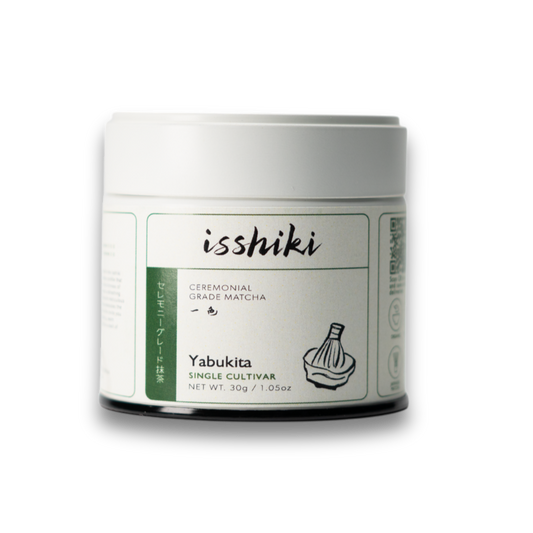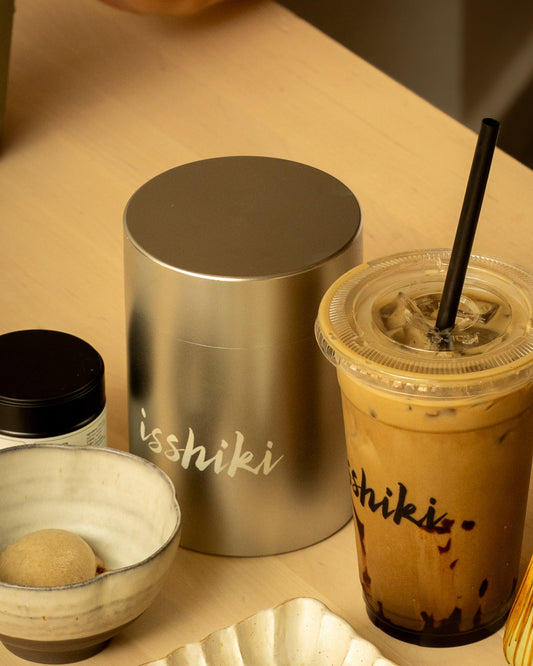

The Honest Question Everyone’s Asking
Ceremonial matcha isn’t cheap. If you’ve ever stood in front of a tin that costs more than your favorite bottle of wine, questioning your sanity, you’re not alone. People see the price tag and think, "It’s just powdered green tea, right?"
But if you're here, chances are you’re not looking for a quick caffeine fix. You’re looking for clarity, calm, and something that actually makes your mornings feel like yours again. And that’s where ceremonial matcha starts to make sense.
What Ceremonial Matcha Really Is (And Why It’s Special)
Let’s cut through the noise. Ceremonial matcha is made from the youngest, most tender leaves from shade-grown tea plants. These leaves are harvested only during the first flush of the season, meaning you’re getting the most nutrient-rich and flavorful part of the plant.
After picking, the leaves are de-veined, de-stemmed, and then stone-ground into an ultra-fine powder. No shortcuts. No additives. Just pure, vibrant green magic. This process preserves the taste, aroma, and nutritional integrity of the tea in a way other grades simply don’t.
This is matcha meant to be sipped pure—no milk, no sweeteners. If that’s your thing, you’re in the right place.

Why It’s More Expensive Than Regular Matcha (And Why That’s Valid)
If you’ve only tried $9 matcha before, you're probably wondering why ceremonial costs 3–4x more. The answer is in the process—and the quality of the leaves themselves.
Here’s what makes ceremonial matcha cost more:
-
First-harvest only: Unlike culinary grades harvested later, ceremonial leaves come from the earliest, most delicate harvest.
-
Shade-growing technique: Tea plants are covered for weeks to boost chlorophyll and L-theanine, creating the matcha’s signature color and calm energy.
-
Manual labor: The leaves are hand-picked, hand-sorted, and stone-milled in small batches.
-
Low yield: It takes a lot of leaves—and a lot of time—to produce just one small tin.
The cost reflects the craftsmanship. You're not just paying for tea. You’re paying for a centuries-old process done right.
The Flavor Says It All
If you’ve ever taken a sip of low-grade matcha and thought, “Why does this taste like bitter spinach water?”, you already know the difference.
Ceremonial matcha tastes clean, creamy, and umami-rich. It’s sweet without sugar, smooth without milk. When whisked right, the froth is thick and velvety. No bitterness. No grit. No weird aftertaste.
If you like to drink matcha straight, ceremonial is non-negotiable. Anything less will taste flat, chalky, or harsh.
What Experts Say About the Health Benefits
Here’s what nutritionists and wellness professionals highlight when evaluating ceremonial matcha:
-
L-theanine: This amino acid balances caffeine and creates a calm, focused energy.
-
EGCG: A powerful antioxidant that supports cellular health, metabolism, and immunity.
-
Chlorophyll: Detoxifying, anti-inflammatory, and helps alkalize the body.
-
Full-leaf consumption: You consume the entire tea leaf in powdered form—unlike bagged green tea—meaning more nutrients per sip.
The result? Ceremonial matcha delivers stable energy without the crash, enhances cognitive function, supports digestive health, and promotes mental clarity. You’re fueling your system and calming your mind—all in one ritual.
Mindfulness in a Cup
This is where ceremonial matcha goes beyond nutrition and steps into something deeper: intention.
Experts in mental health, mindfulness, and performance coaching often talk about the power of ritual—tiny, repeated habits that anchor you to the present moment. Whisking ceremonial matcha does exactly that. It slows you down, centers your focus, and transitions your brain out of chaos mode before the day starts.
This isn’t just a drink. It’s a pause. A choice to be here, right now. And that, in today’s world, is a rare kind of luxury.
No Jitters, No Crash – Just Clean, Calm Energy
Caffeine isn’t evil—it’s just misunderstood. With coffee, the problem isn’t the caffeine, it’s the delivery. It floods your system fast, spikes your cortisol, and disappears just as quickly.
Ceremonial matcha works differently:
-
The L-theanine in matcha slows the absorption of caffeine.
-
You get a sustained release of energy over 4–6 hours.
-
It supports focus and productivity without the heart-racing, brain-fog crash that coffee can trigger.
That’s why so many creatives, remote workers, high-performers, and even athletes are making the switch. It’s not about giving up caffeine—it’s about changing how your body receives it.
What You’re Really Paying For
Let’s break down what you’re getting when you spend $30–$50 on ceremonial matcha:
-
30+ servings – That’s $1.50 or less per cup.
-
Full nutrient spectrum – Not watered down, not filtered out.
-
Clean, sustained energy – No chemicals, no sugar.
-
A mental reset – A moment of calm before the storm.
-
Flavor and experience – That rich umami and silky texture is unmatched.
Compare that to your daily $6 oat milk latte with two pumps of sugar and shaky hands by noon, and suddenly ceremonial matcha doesn’t seem so “expensive” anymore.
How to Know If It’s the Real Deal
There’s no regulated “ceremonial” label, so you’ve got to know what to look for. A real ceremonial matcha will have:
-
Vibrant green color – Bright, not dull or yellowish
-
Fine texture – Silky, not grainy
-
Sweet grassy aroma – Fresh, never musty
-
Smooth taste – No bitterness when prepared correctly
-
Harvest info – Ideally first harvest, shade-grown, Japan origin
If the powder is brownish, smells off, or makes your mouth pucker? It’s not ceremonial—no matter what the label says.

When It’s Worth It—and When It’s Not
Let’s be honest: ceremonial matcha isn’t for everyone. If you’re just blending it into smoothies or baking matcha muffins, you don’t need to spend top dollar. That’s what culinary grade is for.
But if you’re:
-
Drinking it straight with just water
-
Using it as part of a mindful morning routine
-
Sensitive to coffee or caffeine crashes
- Looking to optimize your energy and focus
-
Actually caring about taste and quality
Then yes—ceremonial matcha is worth every cent.
Final Take: Pay for What You Want to Feel
At the end of the day, ceremonial matcha isn’t just about flavor, energy, or antioxidants—it’s about how you want to start your day.
If you want fast, cheap, and easy? There are options for that.
But if you want intentional energy, a moment of calm, and something that supports your brain, your body, and your spirit—ceremonial matcha is the move. And once you feel that difference? You’ll never want to go back.