
What Are Blue Zones and Why Should We Care?
Ever wonder why some people live not just long—but really well into their 90s and beyond? Enter the Blue Zones: five regions in the world where people consistently live longer, healthier lives than the global average. We're talking more centenarians per capita, fewer chronic diseases, and shockingly high quality of life—even past age 100.
So, what do these places have in common?
Places like:
-
Sardinia, Italy
-
Ikaria, Greece
-
Nicoya, Costa Rica
-
Loma Linda, California
-
And... Okinawa, Japan
Each of these zones has its own secret sauce, but in Okinawa, Japan, one habit stands out—drinking matcha.
We're not talking about matcha frappes or lattes with whipped cream. We mean real ceremonial-grade matcha, the kind that’s been whisked and sipped for centuries in Japan as part of a daily wellness ritual.
And guess what? This simple green powder might be one of the most powerful allies for a longer, healthier life.

Matcha 101: Why It’s Not Just Another Green Tea
Okay, so what even is matcha? Is it just glorified green tea?
Not quite.
Ceremonial matcha is a form of powdered green tea made from the youngest, shade-grown tea leaves. Unlike regular green tea, where you steep leaves and toss them out, matcha is whole-leaf tea in powdered form—so you’re consuming the entire leaf (and all its benefits).
Here’s why that matters:
-
10x more antioxidants than regular green tea
-
Packed with EGCG (a longevity superstar)
-
Contains L-theanine, a stress-reducing amino acid
-
Provides clean, jitter-free energy
And ceremonial matcha? That’s the highest grade—traditionally used in Japanese tea ceremonies. Smooth, vibrant, slightly sweet. Zero bitterness. And absolutely loaded with longevity-boosting compounds.
Japanese Blue Zones and Matcha Culture
Let’s zoom in on Okinawa, one of the most famous Blue Zones. This island in southern Japan has some of the highest concentrations of centenarians in the world—and a huge part of their lifestyle revolves around tea.
But this isn't a quick caffeine fix. It’s a daily ritual.
Elders in Okinawa typically drink matcha in the morning or early afternoon, often paired with social connection, meditation, or rest. It’s part of a broader cultural mindset called "Ikigai"—a reason for living.
Tea gatherings are multi-generational, slow, intentional, and meaningful. And that routine? It’s built into the fabric of their lives, not treated like a health trend.
This deeply ingrained matcha habit:
-
Lowers stress
-
Creates structure
-
Fosters community
-
Promotes calm focus and vitality
In other words, it’s not just what they drink—it’s how they drink it that contributes to longevity.
Matcha’s Antioxidant Power: EGCG and Longevity
Let’s talk about EGCG—epigallocatechin gallate—a polyphenol found in incredibly high amounts in ceremonial matcha.
Why’s it a big deal?
Because EGCG is like an anti-aging superhero:
-
Fights free radicals
-
Repairs damaged cells
-
Reduces oxidative stress
-
Slows down signs of aging at the cellular level
In Okinawan Blue Zone studies, antioxidant-rich diets were a major factor in disease prevention and cognitive longevity. And matcha? It delivers one of the most concentrated doses of antioxidants you can find in a natural food.
Fun fact: One serving of ceremonial matcha can contain as many antioxidants as 10 cups of regular green tea.
That’s not hype. That’s real science—and a compelling reason to swap your morning drink for something greener.

Anti-Inflammatory Properties of Matcha in Aging Populations
Inflammation is often called the “silent killer.” Chronic, low-grade inflammation is linked to:
-
Heart disease
-
Diabetes
-
Dementia
- Joint pain
-
And general accelerated aging
The good news? Matcha helps cool that fire.
Studies show that matcha (particularly the EGCG in it) helps:
-
Reduce C-reactive protein (CRP), a key inflammatory marker
-
Inhibit the pathways that trigger systemic inflammation
-
Support immune cells in maintaining balance
Okinawans consuming matcha daily benefit from this subtle, yet powerful anti-inflammatory effect over decades—which helps explain their low rates of chronic disease, even in their later years.
And all of this from a simple bowl of tea. Wild, right?
Matcha, Stress, and the Cortisol Connection
You ever notice how stress just… ages you?
Cortisol (your primary stress hormone) plays a huge role in accelerated aging. It messes with your sleep, blood sugar, immune function, and even your memory.
But matcha comes with a natural stress-fighter: L-theanine.
This rare amino acid:
-
Promotes alpha brain waves (the calm, meditative state)
-
Reduces mental chatter and anxiety
-
Lowers cortisol levels
-
Improves sleep quality
Unlike coffee—which spikes cortisol—matcha gives you energy while keeping you calm.
In Japanese Blue Zones, this calm focus isn’t just a bonus—it’s a lifelong lifestyle. And L-theanine may be a major reason why daily matcha drinkers tend to feel (and look) younger.
Supporting Heart Health with Matcha
One of the standout features of Okinawan longevity is their heart health. Elders in this region have dramatically lower rates of cardiovascular disease than most industrialized countries, including the U.S.
So how does matcha tie in?
The compounds in ceremonial matcha directly support a healthy cardiovascular system, and here’s how:
Cholesterol Regulation
-
Matcha helps lower LDL (“bad”) cholesterol while increasing HDL (“good”) cholesterol
-
EGCG blocks cholesterol absorption in the gut and encourages the liver to remove excess LDL
Blood Pressure Support
-
Regular matcha consumption is linked to more stable blood pressure
-
It relaxes blood vessels thanks to its nitric oxide boosting properties, reducing strain on the heart
Blood Sugar Stability
-
Spikes in blood sugar are a big red flag for heart disease
-
Matcha helps regulate insulin and reduces post-meal glucose surges
Protection Against Oxidative Damage
-
EGCG neutralizes free radicals in the bloodstream that cause artery damage over time
In Blue Zones like Okinawa, it’s common to drink matcha alongside meals or shortly after, which may help blunt glucose spikes and improve metabolic response.
Combined with a low-inflammatory diet and active lifestyle, ceremonial matcha becomes a natural heart tonic—no pills, no prescriptions, just a cup of green goodness.
Matcha and Brain Health: Staying Sharp Longer
What’s the point of living longer if your brain can’t keep up, right?
Well, this is where matcha steps up again—as a natural neuroprotective agent.
Japanese elders drinking matcha daily show remarkable signs of mental clarity, memory retention, and cognitive agility—even past age 90.
How matcha helps your brain:
-
L-theanine improves focus and attention span
-
EGCG protects brain cells from degeneration and oxidative stress
-
Caffeine (in moderation) promotes alertness without overstimulation
-
Antioxidants reduce the risk of neurodegenerative diseases like Alzheimer’s
Unlike the highs and lows of coffee, matcha offers a smooth, sustained mental boost that supports brain health for the long haul. It’s that daily sip of clarity, memory, and alert energy—no crash included.
Daily Rituals: The Longevity Mindset in Japanese Culture
In Okinawa, matcha isn’t a trend—it’s a ritual.
Drinking ceremonial matcha is:
-
Slow
-
Mindful
-
Often social
-
Sometimes even spiritual
It’s not guzzled on the go or tossed into a to-go cup. It’s prepared intentionally, whisked in a bowl, and sipped with full awareness.
This level of daily presence supports what many longevity researchers call the “longevity mindset”—where life is lived with:
-
Purpose (ikigai)
-
Connection (moai)
-
Gratitude and simplicity
These emotional and mental habits have just as much impact on aging as what you eat. And matcha acts as a daily anchor, reminding people to slow down and be present.

Longevity Is Not Just About Diet—It’s Lifestyle
Let’s zoom out for a second. Yes, ceremonial matcha is incredible. But in Blue Zones like Okinawa, it’s part of a larger lifestyle built around:
-
Movement: Daily walking, gardening, and low-impact physical activity
-
Purpose: Everyone has a reason to get up in the morning
-
Community: Strong social bonds and support systems
-
Natural, whole foods: Minimal processing, seasonal ingredients
-
Stress management: Rituals, prayer, naps, and yes—tea time
Matcha fits into all of this beautifully.
It’s a plant-based, whole food.
It’s a mindful moment.
It brings people together.
It energizes without stress.
It’s calming without being sedative.
When viewed through the Blue Zone lens, ceremonial matcha isn’t a “hack.” It’s a habit with meaning, designed to support a vibrant, long life.
Gut Health, Immunity, and Matcha
Here’s a game-changing fact: Your gut health directly affects how long—and how well—you live.
In Okinawa, where people easily live past 90 and even 100, the combination of plant-based diets, fermented foods, and matcha tea all contribute to a thriving gut microbiome.
Matcha plays its part by:
-
Feeding good gut bacteria with polyphenols (especially EGCG)
-
Supporting digestive enzyme activity
-
Helping reduce inflammation in the gut lining
-
Providing mild fiber that aids in digestion
But it doesn’t stop at digestion—gut health is closely tied to immune strength.
A well-functioning gut =
Better absorption of nutrients
Fewer inflammatory responses
More resilient immune defense
In long-living Okinawan communities, the combination of matcha + fermented foods + fiber-rich meals creates a microbial environment that helps people stay healthy for decades. No bloating, no IBS, and rarely any chronic illness.
Americans battling inflammation and immune burnout can learn a lot from this.
What Americans Can Learn from Okinawa’s Matcha Habit
So how do we apply these lessons in the U.S., where stress is high, diets are fast, and caffeine is king?
Start with this: less rush, more ritual.
Here’s what we can take from Okinawa:
-
Swap your morning coffee for ceremonial matcha 2–4 times a week
-
Turn tea-making into a 5-minute pause—no phone, no multitasking
-
Drink matcha in community—with friends, coworkers, or family
-
Use matcha as a midday reset instead of another coffee hit or sugar snack
-
See it not as a beverage, but as a practice
By doing this, you’ll naturally reduce:
-
Sugar intake
-
Caffeine crashes
-
Inflammation
-
Cortisol
And you’ll increase:
-
Focus
-
Calm
-
Immune support
-
And long-term health
It’s not about drinking matcha and waiting to live to 100. It’s about creating daily health momentum that adds up over time.
Debunking the “Superfood” Hype Around Matcha
Let’s clear the air—ceremonial matcha isn’t a miracle cure. It’s not a trendy powder you throw in a smoothie once and suddenly reverse aging.
It’s a culturally-rooted, time-tested habit that works best when practiced regularly, intentionally, and respectfully.
What it’s not:
-
A magic bullet
-
A weight loss pill
-
A sugary latte disguised as health
What it is:
-
A real food
-
A gentle stimulant
-
A calming ritual
-
A tool for longevity rooted in Japanese wellness wisdom
The U.S. often over-markets matcha as a trendy “superfood.” But in Blue Zones, it’s not about trends. It’s about tradition. If we borrow from that tradition mindfully, matcha becomes more than healthy—it becomes healing.
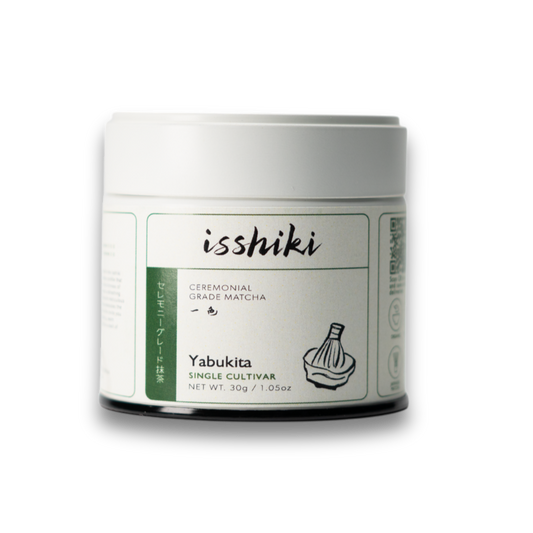
How to Choose the Right Ceremonial Matcha for Longevity
To get real benefits, quality matters. Not all matcha is created equal—and most grocery store options are not what Okinawan elders are drinking.
Look for:
Ceremonial-grade only
Sourced from Japan (ideally Uji, Nishio, or Kyoto regions)
Vibrant, bright green color
Stone-ground and finely powdered
Packed in airtight tins (not plastic bags or clear jars)
Avoid:
Matcha labeled “culinary” for daily drinking
Pre-sweetened powders or “matcha latte” mixes
Dull green or yellowish powders
Brands without clear sourcing info
Pro tip: If it smells grassy and looks neon green, you're probably in good hands.
Store it in a cool, dark place and use it within 1–2 months of opening for max potency. Freshness equals flavor and health benefits.
Conclusion: A Simple Cup with a Powerful Legacy
You don’t need to live in Okinawa to live like the Okinawans.
You just need to slow down, sip intentionally, and make small choices with big impact—like adding a bowl of ceremonial matcha into your daily rhythm.
Because longevity isn’t about extreme diets or genetic luck. It’s about consistent, thoughtful habits that nourish the body, calm the mind, and support the soul.
Ceremonial matcha is more than a drink. It’s a daily opportunity to choose wellness, clarity, and connection—just like they’ve been doing in Japan for centuries.
So pour yourself a bowl, take a breath, and toast to long life, the Japanese way.