
Mocktails Are More Than a Trend
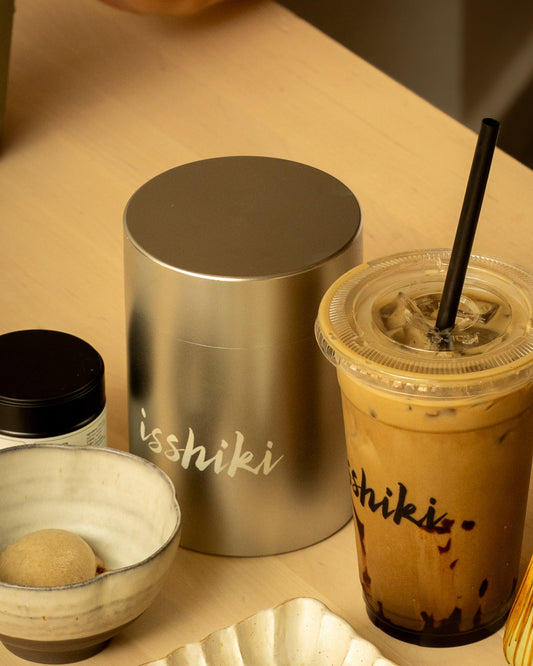
Once upon a time, if you ordered a non-alcoholic drink at a bar, you got a sad soda or a bland juice blend. Fast forward to now? You're handed a Matcha Mojito in a coupe glass, topped with cucumber ribbon, basil foam, and a splash of yuzu. No booze, all buzz.
This shift isn’t random. It’s part of a larger cultural wave called sober curiosity—where people are rethinking their relationship with alcohol and exploring alternatives that feel just as elevated, without the next-day regret.
And in this space, ceremonial matcha is making serious moves.
Non-alcoholic bars across the U.S.—from Brooklyn to LA—are using ceremonial-grade matcha to shake up the scene, literally. It’s more than green powder; it’s an entire vibe. A health-forward, mentally clarifying, subtly energizing vibe that aligns perfectly with what today’s drinkers want.
This isn’t just a new drink on the menu. It’s a new philosophy of what a night out can feel like.
What Is Ceremonial Matcha and Why Is It Special?
Let’s clear this up real quick: not all matcha is created equal.
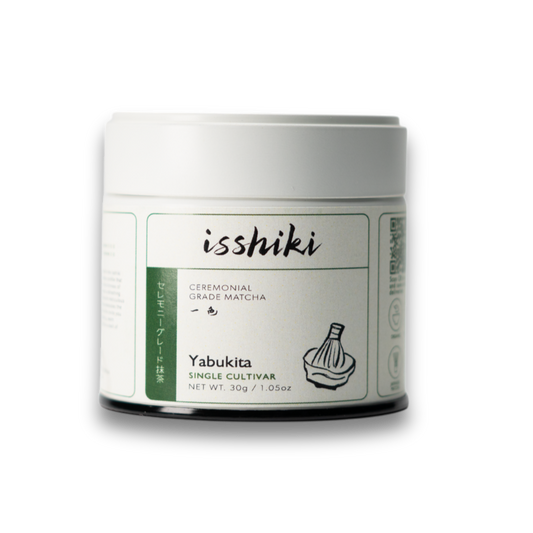
Ceremonial-grade matcha is the highest quality you can get. It’s made from the youngest, shade-grown tea leaves, carefully stone-ground to preserve flavor, color, and nutrients. The result? A silky, vibrant green powder with a naturally sweet, slightly umami taste.
In contrast, culinary matcha is more bitter, less vibrant, and made for baking or lattes—not sipping solo or mixing into cocktails.
Why bartenders are obsessed:
-
It’s smooth and rich enough to stand on its own
-
Adds complexity to drinks with minimal ingredients
-
It’s visually stunning (hello, neon green drinks)
-
Offers a clean energy lift, unlike sugary soda mixers
When you’re crafting a drink meant to impress—even without alcohol—ceremonial matcha is a no-brainer.

The Matcha Mocktail Explosion: What’s Happening in the U.S.
It started in health cafés and wellness retreats—but now, ceremonial matcha is front and center at bars.
What we’re seeing:
-
NYC’s sober bars like Hekate and Getaway featuring matcha martinis
-
LA lounges subbing in matcha for gin in herb-forward cocktails
-
Austin pop-ups making matcha-based spicy “mules” with jalapeño and lime
-
High-end restaurants offering non-alcoholic pairings with ceremonial matcha-infused aperitifs
This isn’t just a coastal fad. Cities across the country are responding to demand from Gen Z and Millennials who want:
-
Drinks they can Instagram and actually enjoy
-
A buzz without a blackout
-
Energy and social flow without the hangover
Matcha is the perfect solution—beautiful, functional, and wellness-approved.
Matcha Over Alcohol: A Healthier Buzz
Alcohol is... well, alcohol. We all know the drill: short-term fun, long-term fog. Ceremonial matcha offers the opposite experience.
Thanks to the natural combo of caffeine + L-theanine, matcha creates:
-
Calm alertness (think: focused without the fidgeting)
-
Sustained energy (no crash)
-
A socially engaging vibe without losing your filter
-
ZERO hangover, brain fog, or bad decisions
For people with anxiety, ADHD, or who simply want clarity over chaos, matcha-based mocktails are a revelation. You’re sipping something that makes you feel present—not intoxicated.
Why Bartenders Love Ceremonial Matcha
Craft bartenders are all about:
-
Flavor layering
-
Aesthetic presentation
-
Ritual and vibe
Ceremonial matcha hits all three:
-
It pairs beautifully with herbs (mint, basil), florals (lavender, rose), spices (ginger, cardamom), citrus (yuzu, lemon), and bitters
-
Visually, it’s unmatched—that neon green is a showstopper
-
It requires intentionality—whisking, shaking, straining—which adds drama to the drink-making process
Plus, matcha doesn’t overpower other ingredients. It enhances them. Which makes it a creative playground for bartenders wanting to break the mold of sweet syrup mocktails.

Sober Curious Culture and the Wellness Scene
Let’s face it—booze is losing its cool.
More Americans (especially Gen Z and Millennials) are choosing not to drink—not because of addiction, but because they’re over the side effects. Headaches, anxiety, poor sleep, bad decisions—what’s the point when you can sip something that tastes great and makes you feel even better?
Enter sober curious culture, where matcha fits like a glove:
-
It has ritual and intention, like wine
-
It offers sensory pleasure and sophistication
-
It supports wellness goals instead of derailing them
In a world where kombucha is on tap and oat milk lattes are the norm, ceremonial matcha mocktails are the logical next evolution.
Wellness lounges, functional bars, and high-end restaurants are catching on. Matcha is now more than a drink—it’s a social signal that you’re health-conscious, trend-savvy, and still down to vibe.
Functional Benefits Meet Flavor
What separates a basic mocktail from a ceremonial matcha cocktail? Function.
Ceremonial matcha doesn’t just taste good—it does good. That’s what makes it the perfect crossover between health and hospitality.
Key matcha benefits that show up in mocktails:
-
Focus-enhancing (great for networking or social events)
-
Antioxidant-rich (supports immunity during seasonal shifts)
-
Stress-reducing (thanks, L-theanine)
-
Gentle energy without spiking blood sugar
So your drink isn’t just keeping your hands busy—it’s fueling your body and brain.
We’re in a moment where people want everything to multitask—and matcha delivers that in every glass.

Top Matcha Mocktail Recipes on Menus Right Now
If you think matcha mocktails are just green lattes in disguise, think again. Bartenders are getting wildly creative.
Here are some real-deal mocktail recipes you’ll find at trendy bars:
Matcha-Cucumber Cooler
-
Ceremonial matcha
-
Cucumber juice
-
Mint syrup
-
Lime juice
-
Sparkling water
-
Garnish: cucumber ribbon & mint leaf
Yuzu Matcha Fizz
-
Ceremonial matcha
-
Yuzu juice
-
Simple syrup
-
Soda water
-
Garnish: yuzu peel or edible flower
Spiced Matcha Mule
-
Ceremonial matcha
-
Ginger shrub
-
Cardamom bitters
-
Lime juice
-
Top with sparkling ginger beer
Lavender Matcha Sour
-
Ceremonial matcha
-
Lavender syrup
-
Lemon juice
-
Egg white or aquafaba (for froth)
-
Garnish: dried lavender
These drinks are beautiful, complex, and satisfying—without needing a single drop of booze.
Designing the Perfect Matcha Mocktail
Want to make one at home? Here’s the formula bartenders swear by when building a matcha mocktail:
1. Start with quality ceremonial matcha
Whisk or shake it with a bit of hot (not boiling) water until smooth.
2. Add your sour
Think citrus: lemon, lime, yuzu, orange, even grapefruit.
3. Balance with sweet
Use natural syrups like agave, honey, maple, or botanical cordials like elderflower or rose.
4. Throw in a twist
Add a dash of bitters, herbs, or fresh ginger to elevate the flavor.
5. Top with texture
Sparkling water, kombucha, or ice blends for chill factor.
6. Finish with flair
Garnish is everything—mint, citrus peel, edible flowers, or even matcha-dusted rims.
Matcha mocktails are as much about the experience as the taste. You’re not just sipping—you’re sipping with style.
Matcha and Mindful Drinking: The Psychology of Ritual
Here’s where matcha really wins: it slows you down.
Unlike a shot or a beer chug, ceremonial matcha mocktails invite you to:
-
Stir slowly
-
Sip with awareness
-
Enjoy the texture, smell, and aftertaste
-
Be present
That’s what mindful drinking is about. Not just avoiding alcohol, but replacing it with something intentional. Something that feels good on every level—physical, emotional, and social.
In this sense, matcha becomes more than a drink. It becomes a social ritual that elevates the night.
From Home Bars to High-End Menus
Matcha mocktails aren’t just for bougie lounges anymore. Home mixologists and casual hosts are getting in on the game too.
Why?
-
Easy to make with the right tools
-
Visually stunning for parties or solo wind-downs
-
Pairs well with plant-based meals and snacks
-
Kits and starter sets make it super accessible
Even Michelin-starred restaurants and upscale resorts are crafting entire matcha-based beverage menus for sober diners. Because luxury and health no longer live in separate lanes—they’re blending, beautifully.
Ceremonial Matcha vs. Syrups and Powders
Here’s a truth bartenders and health pros can agree on: quality matters. Especially in a drink where matcha is the star.
There’s a big difference between:
-
Ceremonial-grade matcha (shade-grown, stone-ground, smooth, vibrant, packed with L-theanine and antioxidants)
-
And the stuff you find in sugary green syrups or "matcha lattes" made with mystery powder and sweeteners
Fake matcha:
-
Tastes bitter or chalky
-
Is often mixed with sugar, milk solids, or additives
-
Lacks the real health benefits people expect
-
Kills the vibe of a premium mocktail
That’s why non-alcoholic bars are investing in real, ceremonial-grade tea. It not only elevates the drink—it respects the customer.
Because when someone orders a matcha mocktail, they’re not just thirsty. They’re looking for an experience that supports their body and lifestyle.
The Social Vibe of Matcha-Based Drinks
Let’s be honest: part of going out is the vibe. The conversation. The people-watching. The laughter. The flirtation. The community.
Matcha keeps you in the moment, without pulling you under the table.
Matcha mocktails give you:
-
The ritual of holding a drink
-
The confidence of sipping something cool
-
The focus to stay engaged in convos
-
And the clarity to remember it all the next day
Whether it’s a day party, a brunch, a book club, or a full-on night out, ceremonial matcha creates connection—not chaos.
And that’s what the modern drinker wants. Something that doesn’t pull them away from their life—but brings them deeper into it.
Eco & Ethical Bonus Points
In a world where conscious consumerism matters more than ever, ceremonial matcha mocktails come with an unexpected perk: they’re easier on the planet than most drink options.
Why?
-
Matcha is a minimally processed tea
-
Ceremonial-grade matcha often comes from small family farms in Japan
-
No glass bottles, aluminum cans, or plastic mixers
-
You can make dozens of drinks from one tiny tin of matcha
Many matcha producers are also shifting toward:
-
Organic farming
-
Eco-friendly packaging
-
Direct-trade sourcing that empowers growers
So your mocktail doesn’t just taste good—it feels good, too.
Conclusion: Green Is the New Gold in Mocktail Culture
Let’s call it what it is: ceremonial matcha is redefining what a “drink” means in modern nightlife.
It’s not just a healthier swap. It’s a movement—toward intentional living, social clarity, and functional flavor.
As more Americans lean into wellness, sobriety, and authenticity, matcha mocktails aren’t going anywhere. They’re the green light for people who want to:
-
Connect more
-
Feel better
-
And still have a damn good time
Whether you’re a bartender, a home mixologist, or just someone trying to drink less without losing the vibe—ceremonial matcha is your new best pour.
And trust us: it looks amazing on camera, too.